
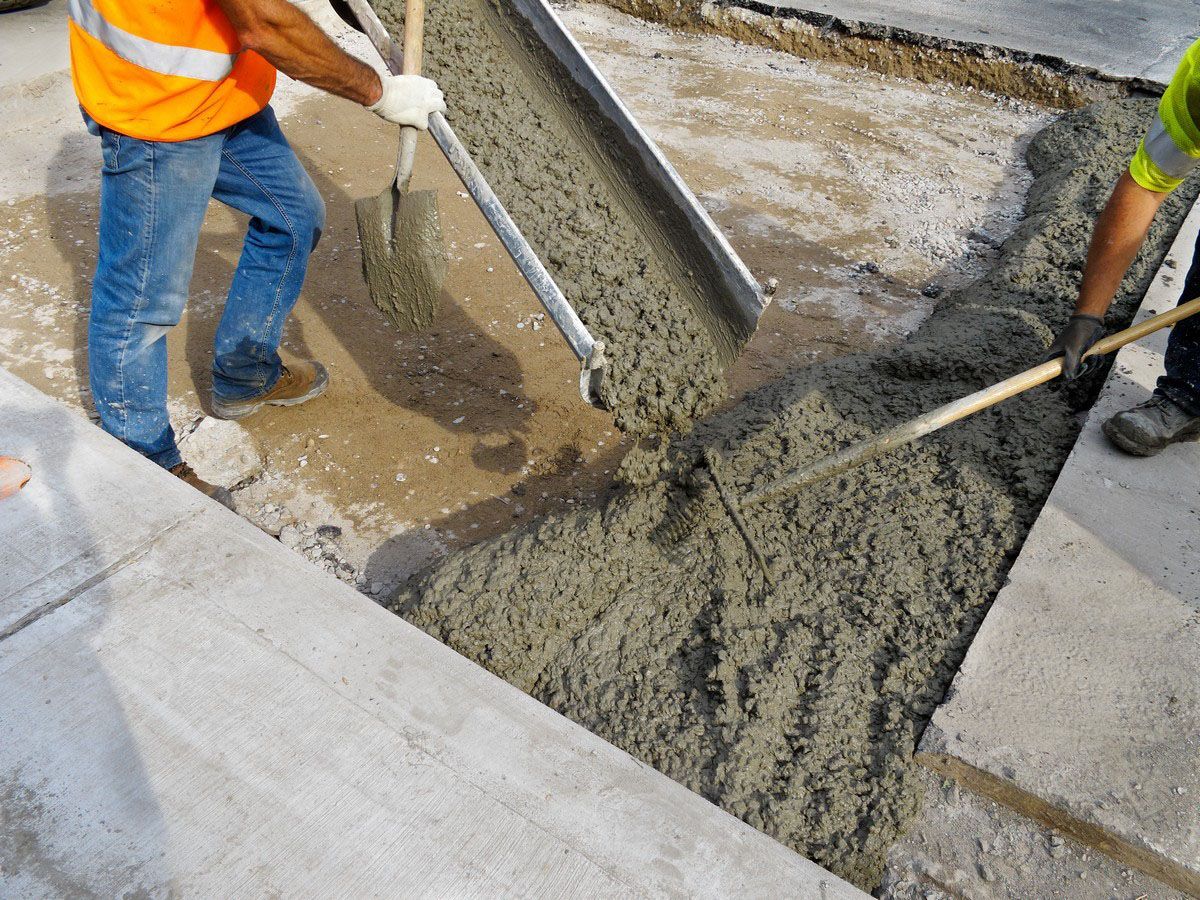
Concrete installation is one of the most important investments property owners can make, whether for a driveway, parking lot, foundation, walkway, or slab. A properly installed concrete surface provides durability, functionality, and long-term value. However, many property owners are unsure what the process actually involves. Understanding each phase of the project can help set clear expectations and reduce uncertainty. From planning and site preparation to pouring, curing, and final inspection, every step plays a critical role in the finished result. Professional crews offering commercial concrete services follow structured procedures designed to promote strength, longevity, and visual appeal. Knowing what to expect before work begins allows you to prepare your property and timeline accordingly. Each project is unique, and factors such as soil conditions, intended use, climate, and design preferences all influence the approach. For example, a high-traffic parking area will require different thickness and reinforcement than a residential walkway. Drainage planning must also be considered to prevent pooling water or erosion around the slab. These details are addressed long before concrete is poured, ensuring the finished surface performs as expected. Clear communication between the contractor and property owner is another key part of the process. Discussing timelines, access points, material delivery, and curing restrictions in advance helps minimize disruptions. When you understand how long each phase will take and what limitations may apply during curing, you can plan daily operations more effectively. A well-managed installation not only produces a strong concrete surface but also creates a smoother experience from start to finish. Conducting a Detailed Site Evaluation The first step in any concrete installation project is a comprehensive site evaluation. Contractors assess the existing ground conditions, drainage patterns, soil stability, and surrounding structures. This evaluation determines what type of preparation is necessary and whether reinforcement or grading adjustments are required. During this stage, measurements are taken to establish accurate dimensions and thickness requirements. According to ConcreteCaptain.com, for heavy loads, like commercial buildings, concrete slabs may need to be eight to twelve inches. Understanding load demands early ensures the slab is engineered to perform properly. Professionals providing commercial concrete services also review accessibility for equipment and material delivery. Planning logistics in advance helps prevent delays once construction begins. Utility lines are identified and marked, permits are confirmed if required, and timelines are established. This early coordination reduces the risk of costly interruptions and keeps the project aligned with local regulations. Preparing the Ground and Installing Forms After evaluation, the next phase involves preparing the site. This typically includes excavation to remove existing materials, debris, or unstable soil. The area is then graded and compacted to create a stable base capable of supporting the new concrete. A strong sub-base is essential for preventing future cracking or settling. Contractors may install gravel or crushed stone to improve drainage and stability. In some cases, soil stabilization techniques are used to strengthen weak ground conditions. These measures provide uniform support beneath the slab and help distribute weight evenly. Once the ground is ready, wooden or metal forms are placed to outline the shape and boundaries of the project. These forms act as molds, holding the concrete in place while it is poured and set. Precision during this stage ensures clean edges and accurate dimensions. Contractors double-check slope and elevation to support proper water runoff and prevent standing water after completion. Placing Reinforcement and Pouring the Concrete Reinforcement is often added before pouring the concrete begins. Depending on the project, this may include steel rebar or wire mesh designed to strengthen the slab and minimize cracking. Reinforcement distributes weight evenly and enhances overall durability. When everything is prepared, the concrete mixture is delivered and poured into the forms. Timing is critical during this stage. Crews must work efficiently to spread and level the material before it begins to set. Consistency in the mix, including the proper ratio of cement, aggregate, and water, directly affects performance. Companies that specialize in commercial concrete services use professional equipment to achieve consistent results. Tools such as screeds, floats, and power trowels help smooth the surface and eliminate air pockets. Proper finishing at this stage directly impacts the appearance and performance of the slab. Crews monitor thickness and alignment throughout the pour to maintain structural standards. Finishing the Surface and Adding Details Once the concrete is placed, attention turns to surface finishing. Depending on the intended use, contractors may apply different textures or treatments. For example, broom finishes provide traction for walkways, while smooth finishes may be preferred for interior floors. Control joints are carefully cut into the slab to manage natural expansion and contraction. These joints help direct cracking to predetermined lines rather than allowing random fractures to occur. Proper spacing of these joints is based on slab size and environmental conditions. For decorative or specialized applications, stamping or staining may be added at this stage. Experienced providers of commercial concrete services understand how to balance aesthetics with structural integrity to deliver both beauty and strength. Edges are refined, surfaces are checked for uniformity, and finishing touches are applied before curing begins. Allowing Proper Curing and Monitoring Conditions Curing is one of the most important phases of the entire installation process. While concrete may appear dry within a day or two, full strength develops gradually over time. Maintaining appropriate moisture levels during curing prevents surface defects and improves durability. Contractors may apply curing compounds or use protective coverings to regulate moisture loss. Weather conditions such as extreme heat, cold, or wind can affect curing time and overall strength. In colder climates, insulation blankets may be used, while hot conditions may require additional hydration techniques. Professionals experienced in commercial concrete services monitor environmental factors closely to help the slab reach its intended performance capacity. Rushing this stage can compromise the long-term stability of the surface. During curing, access to the area is often restricted to prevent damage before the slab reaches sufficient strength. Completing Final Inspection and Site Cleanup The final stage of a concrete installation project involves inspection and cleanup. Contractors review the finished surface to confirm alignment, smoothness, and structural integrity. Any minor imperfections are addressed before the forms are removed. Once the concrete has cured sufficiently, forms are taken down and surrounding areas are restored. Debris and leftover materials are cleared from the site to leave the property clean and ready for use. Drainage flow is rechecked to confirm that water will move away from the surface as intended. Providers of commercial concrete services often walk through the completed project with the property owner to answer questions and provide maintenance recommendations. This final review ensures expectations are met and performance standards are achieved. Documentation may also be provided outlining care instructions and warranty information. Planning for Long-Term Maintenance and Performance Although concrete is known for its strength, proper maintenance extends its lifespan. Sealing the surface can help protect against moisture infiltration, stains, and freeze-thaw damage. Routine inspections allow property owners to address minor cracks before they expand. Understanding what to expect during a concrete installation project makes the entire experience more predictable and manageable. From site evaluation and preparation to pouring, curing, and final inspection, each stage contributes to a strong and lasting result. When handled by skilled professionals, concrete installations provide dependable performance for years to come. If you are planning a concrete installation project and want dependable results backed by experience and quality workmanship, contact Walkway Restoration today to learn how their commercial concrete services can bring your project to life.